




Mental Health Treatment Facility in Houston TX
Selecting the right mental health treatment facility represents one of the most important decisions you’ll make. Houston offers numerous treatment options, making the selection process feel overwhelming and confusing for many people. Finding a mental health treatment facility in Houston TX that meets your specific needs requires careful research and consideration. This guide helps you understand what to look for when choosing a treatment facility. Quality mental health treatment can transform lives and provide hope for lasting recovery from various conditions. Whether you’re struggling with anxiety, depression, PTSD, or more severe disorders, professional help is available. The right mental health treatment facility in Houston TX will offer evidence-based treatments tailored to your unique situation. Understanding available services and treatment approaches helps you make informed decisions about your care.
Understanding Your Mental Health Treatment Needs
Before selecting a facility, you must understand your specific mental health treatment needs and goals. Different conditions require different treatment approaches and varying levels of care for optimal outcomes. Anxiety disorders may respond well to outpatient therapy, while severe depression might require residential treatment. Bipolar disorder, schizophrenia, and personality disorders often need comprehensive, long-term treatment programs for stability. Co-occurring disorders, where mental health and substance use issues exist simultaneously, require integrated treatment approaches. PTSD often benefits from trauma-focused therapies like EMDR combined with supportive counseling and medication management. Assessing symptom severity helps determine the appropriate level of care you need currently. Consider whether you can safely remain at home during treatment or need supervised residential care. A mental health treatment facility in Houston TX should conduct thorough assessments before recommending treatment plans. Quality facilities take time to understand your complete history, symptoms, and personal recovery goals. They should explain why specific treatments are recommended for your particular condition and circumstances. This collaborative approach ensures treatment aligns with your needs rather than following one-size-fits-all protocols.
Overcoming Stigma Surrounding Mental Health Treatment
Mental health stigma continues preventing many people from seeking the treatment they desperately need. Society often misunderstands mental illness, creating judgment and discrimination toward those experiencing psychological conditions. People may feel ashamed about having depression, anxiety, or other mental health symptoms requiring professional intervention. This harmful stigma keeps countless individuals suffering in silence rather than accessing available help. Co-occurring disorders face particularly intense stigma when mental health and addiction issues overlap simultaneously. People struggling with both conditions often encounter judgment from family, friends, employers, and even healthcare providers. Some view mental illness as personal weakness rather than recognizing it as a legitimate medical condition. Others believe seeking treatment means you’re “crazy” instead of understanding it demonstrates courage and self-awareness. The reality is that mental health conditions are medical issues deserving the same treatment as physical illnesses. Choosing a mental health treatment facility in Houston TX shows strength, not weakness or failure. Recovery happens every day for people who access appropriate evidence-based care and professional support. As stigma decreases, individuals feel more comfortable accessing the life-changing care that can transform their futures.
Improved Accessibility and Available Payment Assistance
Mental health treatment accessibility has expanded significantly throughout Houston in recent years with improved options. Federal and state legislation has increased insurance coverage requirements for behavioral health and mental health services. The Mental Health Parity Act requires insurance companies to cover mental health equivalently to physical health. This means fewer restrictions, higher coverage limits, and better access to necessary treatment services. Many facilities now accept Medicaid, Medicare, and most major private insurance plans for various treatment levels. A mental health treatment facility in Houston TX should have admissions staff who verify insurance coverage immediately. They can explain your benefits, out-of-pocket costs, and any pre-authorization requirements before you begin treatment. Understanding financial obligations upfront prevents surprises and allows for proper planning and preparation. For those without insurance coverage, many facilities offer sliding-scale fees based on income levels. Some programs provide scholarships, grants, or financial assistance for qualifying individuals meeting specific criteria. Payment plans allow spreading treatment costs over manageable monthly installments rather than requiring full upfront payment. Community mental health centers receive government funding specifically to serve uninsured and underinsured populations throughout Houston.
Essential Services: Intervention Assistance
Intervention assistance helps individuals recognize when professional mental health treatment becomes absolutely necessary for their wellbeing. Many people don’t realize how severe their symptoms have become or resist admitting they need help. Trained intervention specialists facilitate structured, compassionate conversations between concerned loved ones and the person needing care. These professional discussions encourage voluntary treatment participation while maintaining dignity and respect for everyone involved. A quality mental health treatment facility in Houston TX may offer intervention services or work with professional interventionists. The intervention process includes assessing appropriate treatment levels based on current symptoms and individual circumstances. Specialists connect people with facilities offering programming specifically designed for their diagnosed mental health conditions. Early intervention prevents conditions from worsening and typically leads to better long-term recovery outcomes overall.
Inpatient and Outpatient Treatment Programs
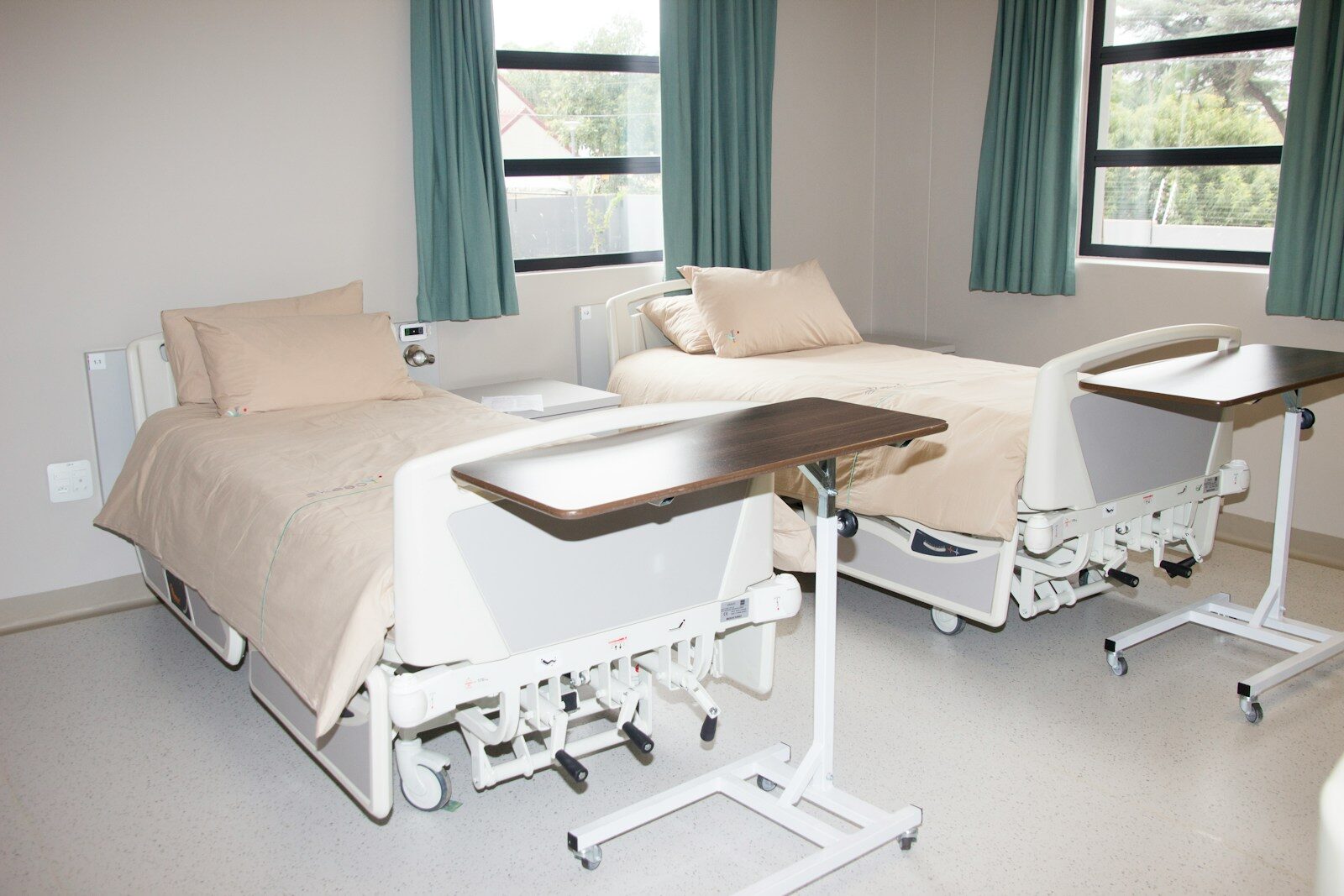
Inpatient treatment provides 24-hour supervised care in a secure residential or hospital-based setting for stability. This intensive level suits individuals experiencing severe symptoms that pose safety risks to themselves or others. Patients receive constant access to psychiatrists, therapists, nurses, and other mental health professionals around the clock. Inpatient programs typically last from several days to several weeks depending on symptom severity. Outpatient treatment allows individuals to live at home while attending scheduled therapy sessions and appointments. This flexible option works well for people with stable living situations and strong support systems. Sessions typically occur several times weekly and last from one to several hours each. Outpatient care supports maintaining work, school, and family responsibilities while receiving professional mental health treatment. When evaluating a mental health treatment facility in Houston TX, ask about both inpatient and outpatient options. Quality facilities offer multiple treatment levels to match varying needs and provide continuum of care. Both levels provide evidence-based treatments for anxiety, depression, PTSD, bipolar disorder, schizophrenia, and personality disorders.
Partial Hospitalization and Transitional Living Programs
Partial Hospitalization Programs (PHP) provide intensive treatment bridging the gap between inpatient and standard outpatient care. Patients attend programming for several hours daily, typically five to seven days per week minimum. They return home each evening, maintaining independence while receiving substantial structured therapeutic support during daytime. PHP offers comprehensive treatment without requiring overnight facility stays, which suits many people’s circumstances. Transitional living programs support individuals moving from intensive treatment back toward complete independence in the community. These structured residences provide safe, supportive environments with ongoing accountability, house rules, and therapeutic programming. Residents continue outpatient therapy while developing crucial life skills necessary for maintaining independent, stable living. Programs teach budgeting, job searching, healthy relationship building, and other practical abilities essential for success.
EMDR for Trauma Processing
Eye Movement Desensitization and Reprocessing (EMDR) specifically targets trauma-related mental health conditions through specialized techniques. This therapy helps process disturbing memories that continue causing significant ongoing emotional distress and symptoms. EMDR proves particularly effective for PTSD, trauma-related anxiety, and depression stemming from past experiences. Look for a mental health treatment facility in Houston TX with certified EMDR therapists on staff.
Cognitive Behavioral Therapy
Cognitive Behavioral Therapy addresses connections between thoughts, feelings, and behavioral patterns affecting mental health significantly. Therapists help identify negative or distorted thinking patterns contributing to depression, anxiety, and other symptoms. Patients learn to challenge unhelpful thoughts and replace them with more realistic, balanced perspectives. CBT effectively treats depression, anxiety disorders, PTSD, personality disorders, and many other mental health challenges.
Dialectical Behavior Therapy
Dialectical Behavior Therapy combines cognitive-behavioral techniques with mindfulness practices and radical acceptance strategies together. The therapy focuses on four key skill areas: mindfulness, distress tolerance, emotion regulation, and interpersonal effectiveness. DBT helps manage intense emotions that feel overwhelming or lead to destructive, impulsive behaviors. This approach effectively treats borderline personality disorder, chronic suicidal thinking, and severe emotional dysregulation.
Experiential Therapy
Experiential therapy uses physical activities and creative expression to process emotions and experiences differently than talk therapy. Art therapy, music therapy, adventure-based activities, and psychodrama help patients explore feelings through engaging action. These hands-on approaches effectively reach individuals who struggle with traditional verbal therapy methods alone. Experiential therapy complements other modalities when addressing PTSD, depression, anxiety disorders, and other conditions.
Individual and Group Therapy
Individual therapy provides dedicated one-on-one attention from a licensed mental health professional or therapist. These confidential sessions allow deep exploration of personal issues, concerns, trauma, and specific recovery goals. Therapists tailor treatment plans to each person’s unique circumstances, symptoms, history, and therapeutic needs. Individual therapy builds trusting therapeutic relationships and addresses topics too sensitive for group discussions. Group therapy brings together individuals facing similar mental health challenges for shared healing and mutual growth. Participants share experiences and learn from others’ insights, struggles, successes, and coping strategies in recovery. Groups reduce isolation by demonstrating that others genuinely understand your specific struggles and challenges. A quality mental health treatment facility in Houston TX offers both individual and group therapy options.
Educational Groups
Educational groups teach patients comprehensive information about their specific mental health conditions and treatment options. Understanding your diagnosis empowers informed, active participation in treatment planning and ongoing decision-making processes. These groups explain how conditions develop, their common symptoms, and realistic recovery expectations over time. Topics include medication effects, warning signs of relapse, wellness strategies, and self-care techniques for daily life.
Case Management Services
Case managers coordinate comprehensive care across multiple providers, service systems, and community resources effectively and efficiently. They help navigate complex healthcare systems and connect patients with necessary medical and social services. Case managers advocate for patients’ needs with insurance companies, treatment facilities, and community organizations throughout treatment. For severe conditions like schizophrenia or bipolar disorder, case management provides essential continuity of care over time.
Medication Management
Medication management involves working with psychiatrists or psychiatric nurse practitioners specializing in mental health treatment. These specialists prescribe and monitor psychiatric medications treating anxiety, depression, bipolar disorder, schizophrenia, and other conditions. Regular appointments ensure medications work effectively with minimal uncomfortable or dangerous side effects over time. Look for a mental health treatment facility in Houston TX with experienced psychiatric staff available regularly.
Alumni Programs
Alumni programs connect individuals who completed treatment with ongoing support networks for sustained recovery success. These programs reduce isolation after leaving structured treatment environments and returning to independent community living. Former patients share experiences, celebrate milestones, and support each other through inevitable challenges and setbacks. Many facilities offer alumni programming at no additional cost to graduates of their treatment programs.
Family Support Services
Family support services recognize that mental illness affects entire family systems, not just identified patients alone. These programs educate relatives about mental health conditions, symptoms, treatments, and realistic recovery expectations over time. Family members learn communication techniques that promote healing rather than unintentionally enabling harmful behavioral patterns. Family therapy addresses relationship dynamics negatively impacted by mental health challenges and their associated symptoms.
Conclusion
Choosing the right mental health treatment facility in Houston TX requires careful evaluation of multiple important factors. Visit facilities in person when possible to observe environments, meet staff, and ask detailed questions. Request information about treatment philosophies, success rates, staff credentials, and accreditation status from reputable organizations. Trust your instincts about whether a facility feels safe, welcoming, and supportive of your recovery. Verify that the facility offers evidence-based treatments like EMDR, CBT, DBT, and experiential therapy for conditions. Ensure they provide individual therapy, group therapy, medication management, case management, and family support services. Ask about alumni programs and aftercare planning to support long-term recovery beyond initial treatment. Don’t hesitate to ask questions about costs, insurance acceptance, and available financial assistance programs. Recovery from anxiety, depression, PTSD, bipolar disorder, schizophrenia, and personality disorders is absolutely possible with support. The right mental health treatment facility in Houston TX provides comprehensive, compassionate care tailored to your needs. If you or a loved one needs assistance visit our website or call us today at 1 (214) 276-6192. Your mental health journey matters, and finding the right facility sets the foundation for lasting healing.